
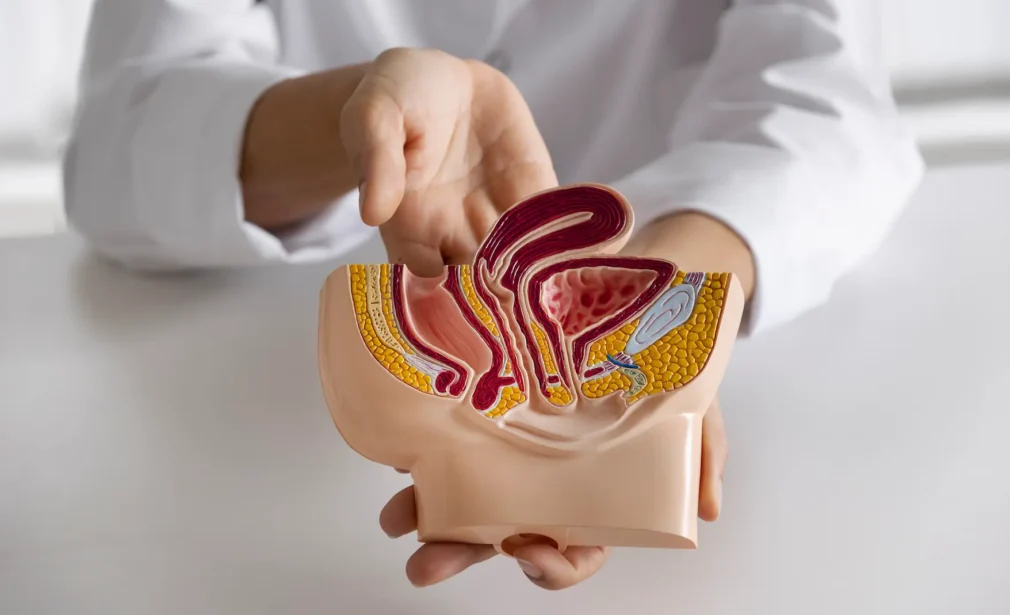
Navigating a urological condition requires not only medical expertise but also a deep sense of trust and confidence in your chosen care provider. These health concerns are often sensitive and deeply personal, making the decision of where to seek treatment one of the most important you will ever make. In the search for the highest standards of care, patients across the globe are discovering Poland as a center of excellence in urological medicine. Here, a national commitment to healthcare innovation converges with the expertise of internationally acclaimed specialists to offer world-class treatments that are both accessible and affordable.
Poland has emerged as a premier destination for urology by making strategic investments in the most advanced medical technologies available today. Leading Polish hospitals are equipped with state-of-the-art diagnostic tools and the latest generation of surgical systems, including the da Vinci robot for minimally invasive procedures. This commitment to technology ensures that patients receive care that is not just effective, but also less invasive, leading to faster recovery times and superior outcomes. When you choose Poland for your urological needs, you are choosing a healthcare system dedicated to providing compassionate, patient-centered care that meets and often exceeds the highest international standards.
Understanding the Scope of Modern Urology
Urology, also known as genitourinary surgery, is a highly specialized branch of medicine that focuses on the diagnosis and treatment of diseases affecting the urinary system in both men and women, as well as the male reproductive system. This comprehensive field covers a vital network of organs responsible for filtering waste from the body and for human reproduction. The domain of urology encompasses a wide range of anatomical structures, including:- Kidneys: The primary organs for filtering waste products from the blood to produce urine.
- Adrenal Glands: Located atop the kidneys, these glands produce crucial hormones.
- Ureters: The tubes that carry urine from the kidneys to the bladder.
- Urinary Bladder: The muscular sac that stores urine.
- Urethra: The tube through which urine exits the body.
- Male Reproductive Organs: This includes the prostate, testes, penis, epididymis, vas deferens, and seminal vesicles.
The Urologist: A Highly Skilled Specialist Surgeon
A urologist is a medical doctor who has undergone extensive postgraduate training to become a specialist in both the medical and surgical management of genitourinary conditions. This dual expertise is a unique and critical aspect of the specialty. A urologist is not only a physician who can diagnose conditions and prescribe medication but is also a highly skilled surgeon capable of performing everything from minor office-based procedures to the most complex robotic and open reconstructive surgeries. This integrated approach offers a significant advantage, particularly for international patients. It creates a seamless and continuous pathway of care where a single specialist can manage a patient’s entire journey—from initial diagnosis and medical therapy to surgical intervention and long-term follow-up. This eliminates the delays and potential communication gaps that can occur when moving between different medical and surgical specialists, ensuring a more efficient, cohesive, and reassuring experience. The breadth of urology requires a deep, interdisciplinary knowledge base, incorporating elements of internal medicine, gynecology, oncology, pediatrics, and reconstructive surgery. To provide the most specialized care, many urologists pursue further fellowship training in subspecialty areas, including:- Urologic Oncology: Focusing on cancers of the prostate, bladder, kidneys, and testes.
- Female Urology: Addressing conditions like urinary incontinence and pelvic organ prolapse.
- Andrology: Concentrating on male infertility, erectile dysfunction, and sexual health.
- Endourology: Specializing in minimally invasive procedures for conditions like kidney stones.
- Pediatric Urology: Treating urological issues in children, including congenital abnormalities.
- Reconstructive Urology: Restoring function and structure to the genitourinary tract after trauma or disease.
Comprehensive Care for a Spectrum of Urological Conditions
Urological disorders can affect individuals of all ages and genders, ranging from common infections to complex cancers. In Poland, our specialists provide comprehensive, evidence-based care across the entire spectrum of urology, tailoring treatment plans to the unique needs of each patient.Specialized Urological Care for Men
Our clinics offer a discreet and supportive environment for men to address a wide range of urological health concerns, from routine prostate checks to advanced treatments for cancer and infertility.- Prostate Health: The prostate gland is central to male urological health. We provide expert management for conditions such as Benign Prostatic Hyperplasia (BPH), or an enlarged prostate, which can cause disruptive urinary symptoms like a weak stream, frequent urination, and difficulty emptying the bladder. We also treat Prostatitis, the painful inflammation of the prostate gland.
- Prostate Cancer: As one of the most common cancers in men, we prioritize early detection and advanced treatment. Our approach combines sophisticated diagnostics with a full range of therapeutic options, including active surveillance, radiation, and state-of-the-art robotic surgery designed to maximize cancer control while preserving quality of life.
- Erectile Dysfunction (ED) & Sexual Health: We understand the profound impact that sexual health has on overall well-being. Our specialists offer compassionate care for Erectile Dysfunction, Low Testosterone, and Peyronie’s Disease (penile curvature), providing a variety of effective treatments ranging from oral medications to penile implant surgery.
- Male Infertility: For couples facing challenges with conception, our andrology experts provide comprehensive evaluation and treatment. This includes surgical correction of conditions like varicoceles (enlarged veins in the scrotum) and advanced sperm retrieval techniques to help achieve the dream of parenthood.
Dedicated Urological Care for Women
While urology is often associated with men’s health, a significant portion of the specialty is dedicated to conditions that predominantly or exclusively affect women. Our female urology specialists provide expert care with sensitivity and discretion.- Urinary Incontinence: The involuntary loss of bladder control is a common but treatable condition. We manage all forms of incontinence, including Stress Urinary Incontinence (SUI), which causes leakage during activities like coughing or laughing, and Overactive Bladder (OAB), characterized by a sudden, intense urge to urinate. Treatments range from pelvic floor muscle training and medication to minimally invasive procedures like urethral slings.
- Pelvic Organ Prolapse: When the pelvic floor muscles weaken due to factors like childbirth or aging, organs such as the bladder can drop or “prolapse” into the vagina. This condition, known as a cystocele, can cause discomfort and urinary problems. Our surgeons are skilled in advanced reconstructive techniques to restore normal anatomy and function.
- Urinary Tract Infections (UTIs): Women are particularly susceptible to UTIs. We provide effective treatment for acute infections and develop management strategies for women who suffer from recurrent UTIs. We also diagnose and treat more complex conditions like Interstitial Cystitis (IC), or Painful Bladder Syndrome, a chronic condition causing bladder pain and pressure.
Expert Management of General Urological Disorders
Many urological conditions affect both men and women and require specialized medical and surgical management.- Kidney Stones (Nephrolithiasis): These hard mineral deposits can cause excruciating pain as they pass through the urinary tract. Our centers are equipped with the latest technology to manage kidney stones, including Extracorporeal Shock Wave Lithotripsy (ESWL), which breaks up stones non-invasively, and advanced endoscopic laser procedures like ureteroscopy, which allows for direct visualization and fragmentation of stones within the ureter and kidney.
- Cancers of the Urinary Tract: Our urologic oncologists are experts in the surgical management of cancers affecting the entire genitourinary system. This includes Kidney Cancer, Bladder Cancer, and Testicular Cancer. Treatment is often multidisciplinary, involving collaboration with medical oncologists and radiation oncologists to provide the most comprehensive cancer care possible.
- Congenital and Pediatric Conditions: Urology also addresses anatomical abnormalities present from birth. While highly specialized, the ability to treat conditions like undescended testicles or urinary tract blockages in infants demonstrates the full life-cycle scope of urological expertise available.
Advanced Diagnostics: The Foundation of Precision Treatment in Poland
An accurate diagnosis is the critical first step toward a successful treatment outcome. In Poland, leading urology centers have invested in a suite of state-of-the-art diagnostic technologies to ensure every patient’s condition is understood with the utmost precision. This commitment to diagnostic excellence provides the foundation for a truly personalized and effective treatment plan.Your Comprehensive Evaluation
Your journey begins with a thorough consultation with an experienced urologist. This initial evaluation is designed to be comprehensive and unhurried, allowing for a detailed discussion of your symptoms, medical history, and personal health goals. Our specialists are trained to handle sensitive conversations about urinary and sexual health with empathy and professionalism, creating a comfortable environment for open communication. The evaluation process typically includes:- Detailed Medical History and Questionnaires: Standardized questionnaires help quantify the severity of symptoms related to issues like BPH, incontinence, or erectile dysfunction.
- Physical Examination: A focused physical exam is a fundamental part of the urological assessment.
- Urinalysis and Blood Tests: A simple urine sample can reveal signs of infection, blood, or other abnormalities. Blood tests, such as the Prostate-Specific Antigen (PSA) test, are essential tools for screening and monitoring conditions like prostate cancer.
State-of-the-Art Imaging and Procedures
To gain a clear and detailed understanding of the genitourinary tract, our specialists utilize the most advanced imaging and procedural technologies available.- Advanced Imaging Modalities: We employ a full range of non-invasive imaging techniques to visualize the urinary organs with exceptional clarity. These include Ultrasound, Computed Tomography (CT) scans, and Magnetic Resonance Imaging (MRI). For prostate cancer diagnosis in particular, Multiparametric MRI (mpMRI) has become the gold standard, providing highly detailed images that can identify suspicious areas within the prostate gland with remarkable accuracy.
- Endoscopic Examination (Cystoscopy): For a direct look inside the lower urinary tract, a cystoscopy is often performed. During this minimally invasive procedure, a urologist uses a thin, lighted instrument with a camera (a cystoscope) to examine the lining of the urethra and bladder. This allows for the diagnosis of conditions like bladder tumors, stones, strictures, and inflammation. In some cases, minor treatments, such as the removal of small polyps or tissue samples (biopsies), can be performed during the same procedure.
- MRI-Ultrasound Fusion Biopsy: This cutting-edge technology represents a paradigm shift in the diagnosis of prostate cancer and is a key advantage offered in Poland. For patients with an elevated PSA or a suspicious finding on an mpMRI, a fusion biopsy provides unparalleled accuracy. The system works by overlaying the detailed mpMRI images onto a live ultrasound screen. This creates a 3D map of the prostate, allowing the urologist to guide the biopsy needle directly to the suspicious lesion with pinpoint precision. This targeted approach dramatically increases the accuracy of cancer detection compared to traditional “blind” biopsies, reduces the risk of missing a significant cancer, and minimizes the need for repeat procedures. For an international patient, this technology provides invaluable peace of mind and diagnostic certainty.
Pioneering Urological Treatments: Surgical Excellence in Poland
Poland stands at the forefront of urological surgery, offering patients access to the most advanced and effective treatments in the world. Our leading surgeons combine extensive experience with cutting-edge technology to perform procedures that are not only successful in treating the underlying disease but are also designed to minimize patient discomfort, shorten recovery, and preserve vital functions.The Gold Standard: da Vinci Robotic Surgery
The da Vinci Surgical System represents the pinnacle of minimally invasive surgery and is the standard of care for many complex urological procedures in Poland’s premier medical centers. This sophisticated technology is not an autonomous robot; rather, it is a platform that enhances the surgeon’s capabilities far beyond the limits of the human hand. During a da Vinci procedure, the surgeon operates from an ergonomic console, viewing a magnified, high-definition 3D image of the surgical site. The surgeon’s hand movements are translated in real-time to the robotic arms, which hold miniaturized, wristed instruments. These instruments can rotate and bend with a greater range of motion than a human wrist, allowing for unparalleled precision, dexterity, and control. The key patient benefits of da Vinci robotic surgery are profound:- Minimal Incisions: The procedure is performed through a few small incisions, often less than a centimeter each.
- Reduced Pain and Blood Loss: The precise movements and minimal tissue disruption lead to significantly less pain and blood loss compared to open surgery.
- Lower Risk of Complications: Less trauma to the body reduces the risk of infection and other complications.
- Shorter Hospital Stays and Faster Recovery: Patients typically spend less time in the hospital and can return to their normal daily activities much more quickly.
- Robotic Prostatectomy: For prostate cancer, the da Vinci system’s precision is critical for performing a nerve-sparing procedure. This delicate operation aims to remove the cancerous prostate while meticulously preserving the tiny nerve bundles responsible for urinary continence and erectile function—the two factors most important to a patient’s quality of life. Surgeons in Poland have even developed proprietary techniques, such as the “SMART Prostatectomy,” to further enhance these functional outcomes.
- Robotic Partial Nephrectomy: When treating a kidney tumor, the goal is to remove the cancer while saving as much healthy kidney tissue as possible. The robot’s enhanced visualization and dexterity allow the surgeon to precisely excise the tumor and reconstruct the kidney with minimal damage, which is vital for preserving long-term kidney function.
- Robotic Cystectomy: The removal of the bladder for cancer is a major and complex operation. Performing this procedure robotically offers all the benefits of minimally invasive surgery, significantly reducing the physical toll on the patient and accelerating their recovery from this life-saving treatment.
Advanced Minimally Invasive & Laser Therapies
Beyond robotics, Polish urologists are experts in a wide array of other advanced, minimally invasive techniques.- Laparoscopic Surgery: This well-established “keyhole” surgery involves using a thin camera and specialized instruments inserted through small incisions. It is a highly effective minimally invasive option for a variety of procedures, including kidney removal (nephrectomy) and varicocele repair.
- Endourology and Laser Technology: Many conditions inside the urinary tract can now be treated without any external incisions at all. Using thin, flexible endoscopes passed through the urethra, surgeons can directly visualize and treat problems. Advanced laser fibers can be passed through these scopes to treat a range of conditions with remarkable efficiency. This includes using powerful Holmium or Thulium lasers to pulverize kidney stones into dust and employing GreenLight laser therapy to vaporize excess prostate tissue in men with BPH, providing rapid relief from urinary symptoms with minimal bleeding.
The Lux Med Travel Advantage: Why International Patients Choose Poland for Urology
When considering medical treatment abroad, patients are looking for a combination of clinical excellence, advanced technology, affordability, and a supportive patient experience. Poland uniquely delivers on all these fronts, making it a leading and logical choice for individuals seeking world-class urological care.World-Renowned Specialists
Polish urologists are trained and certified to the highest European standards. Many have earned the prestigious title of “Fellow of the European Board of Urology” (FEBU), a mark of excellence recognized across the continent. They are active members of international medical societies like the European Association of Urology (EAU), regularly contributing to global research and presenting at medical conferences. This deep integration with the international medical community ensures they are proficient in the very latest surgical techniques and treatment protocols, providing care that is on par with the best centers in Western Europe and North America.Access to the Latest Generation of Technology
Poland’s healthcare system has made a significant and recent leap forward in technological adoption. Due to strategic public and private investments, hospitals are not equipped with older, outdated equipment. Instead, patients in Poland have access to the newest generation of surgical robots, such as the da Vinci XI system. This is a crucial distinction; it means patients are benefiting from the most advanced features, enhanced visualization, and superior instrumentation available anywhere in the world. This “technology leapfrog” ensures that the care provided is truly state-of-the-art.Exceptional Value without Compromise
One of the most compelling reasons to choose Poland is the exceptional value it offers. The cost of urological procedures, including complex robotic surgeries, is often a fraction of the price charged in the United States, the United Kingdom, or Germany. This significant cost savings does not come at the expense of quality. On the contrary, the lower cost is a function of the country’s economic structure, not a reflection of its medical standards. This allows patients to access world-class care, performed by elite surgeons using the best technology, at a price that is financially manageable. It dismantles the myth that high quality must come with an exorbitant price tag.A Seamless and Supportive Patient Journey
Polish medical centers are highly experienced in welcoming and caring for international patients. The entire process is designed to be as seamless and stress-free as possible. From the initial inquiry, dedicated coordinators can assist with travel arrangements, accommodation, and visa requirements. Multilingual staff are available in the clinics to ensure clear communication and to provide support at every step of the journey. Patient testimonials consistently highlight the warm, welcoming atmosphere and the compassionate, personalized care they receive, confirming that Poland excels not only in its clinical offerings but also in its commitment to the patient experience. To illustrate these advantages clearly, the following table provides a comparative overview of key factors for medical tourists.| Feature | Poland | Western Europe (UK, Germany) | United States |
| Wait Times for Consultation & Surgery | Minimal; prompt scheduling | Moderate to long | Variable; can be extensive |
| Access to Latest Gen. Robotic Surgery | Widespread (da Vinci XI, Versius) | Variable; may include older models | Widespread; variable models |
| Avg. Cost (e.g., Robotic Prostatectomy) | Highly competitive | Significantly higher | Substantially higher |
| Surgeon Credentials | European Board Certified (FEBU) | Nationally/EU Certified | Board Certified (ABU) |
| International Patient Support | Comprehensive & personalized | Standard | Variable by institution |
Looking for a specific treatment? Below is a list of the most popular treatments offered by the clinics we work with.
If you don’t see the treatment you’re looking for – don’t worry! Our partner clinics offer a much wider range of procedures, and we’re here to help you find exactly what you need. Just get in touch with us – we’re confident we can match you with the right clinic and treatment.Urological Procedures- Endoscopic enucleation of the prostate with a diode laser (DiLEP)
- Average length of stay in Poland: 3 – 5 days.
- Description: Modern method of treating benign prostate enlargement using a precise diode laser that removes the enlarged tissue through the urethra.
- Procedure Details: Usually performed under spinal or general anesthesia and lasts 60–90 minutes.
- Recovery: Hospitalization typically lasts 1–2 days. Recovery is short, and the therapeutic effect is felt almost immediately.
- Transurethral resection of the prostate (TURP)
- Average length of stay in Poland: 3 – 5 days.
- Description: A standard procedure involving the removal of part of the prostate gland through the urethra using electrocautery.
- Procedure Details: Performed under spinal anesthesia and lasts about 60 minutes.
- Recovery: The patient remains in the hospital for 1-2 days. Full recovery usually occurs after 2-3 weeks.
- Endoscopic prostate vaporization (TURIS-P)
- Average length of stay in Poland: 2 – 4 days.
- Description: The procedure involves the vaporization of excess prostate tissue using plasma technology, which reduces the risk of bleeding.
- Procedure Details: Performed under regional or general anesthesia and lasts about 45–60 minutes.
- Recovery: The catheter is usually removed after 1–2 days. The patient returns to daily activities after about a week.
- Endoscopic removal of stones from the ureter using a holmium laser (URSL)
- Average length of stay in Poland: 2 – 4 days.
- Description: An endoscopic procedure performed through the urethra using a ureteroscope and holmium laser, without the need for skin incisions.
- Procedure Details: Carried out under general anesthesia and lasts about 45–90 minutes.
- Recovery: The patient usually goes home on the same or the next day. Return to normal functioning occurs within a few days.
- RIRS (Retrograde Intrarenal Surgery)
- Average stay in Poland: 2 – 4 days.
- Description: An advanced endoscopic procedure used in the treatment of kidney stone disease, involving the insertion of a thin ureterorenoscope into the kidney and breaking the stones with a laser.
- Procedure Details: Performed under general anesthesia and usually lasts 60–90 minutes.
- Recovery: Hospitalization typically lasts for 1 day. The patient can return to work within 3–5 days.
- Vasectomy (ligation of the vas deferens)
- Average stay in Poland: 1 – 2 days.
- Description: A minimally invasive method of permanent contraception for men, involving cutting and tying off the vas deferens.
- Procedure Details: The procedure takes about 20–30 minutes and is performed under local anesthesia.
- Recovery: It does not require hospitalization – the patient goes home the same day. Return to physical activity is possible after a few days.
- Frenuloplasty of the penis (frenuloplasty)
- Average stay in Poland: 1 – 2 days.
- Description: A surgical procedure aimed at lengthening a too short frenulum of the penis, which improves comfort during intercourse.
- Procedure Details: Performed under local anesthesia and lasts about 20–30 minutes.
- Recovery: The patient returns home immediately after the procedure. Complete healing takes about 7–10 days.
- Hydrocelectomy (surgery for a hydrocele)
- Average length of stay in Poland: 2 – 3 days.
- Description: A surgical procedure involving the removal of accumulated fluid around the testicle, which causes swelling and discomfort.
- Procedure Details: Performed under block or general anesthesia, it lasts about 30–60 minutes.
- Recovery: Hospitalization usually lasts 1 day. Return to full activity after 1–2 weeks.
- Diagnostic cystoscopy with analgesosedation
- Average length of stay in Poland: 1 – 2 days.
- Description: Cystoscopy is an endoscopic examination of the bladder and urethra. In the version with analgesosedation, it provides comfort to the patient through mild intravenous anesthesia.
- Procedure Details: The examination lasts about 15–20 minutes and does not require hospitalization.
- Recovery: The patient can return to their daily activities on the same day.
Online simple step for appointment

01
Make Appointment
If you need any Help in booking an appointment, please call Us

02
Select Doctor
Select one from list and go through the doctor's profile and opined doctors
03
Get Consultation
Connect instantly with a 24x7 specialist or choose to video visit a particular doctor.
Frequently asked questions
Absolutely. Safety is the highest priority. Leading Polish clinics adhere to stringent international standards, with many holding JCI accreditation. They use the latest FDA-approved technology and are staffed by highly experienced surgeons with proven track records.
Ideal candidates are generally over 18 years of age with a stable glasses or contact lens prescription for at least one year. A comprehensive pre-operative exam is required to confirm your corneal thickness and overall eye health are suitable for the procedure.