
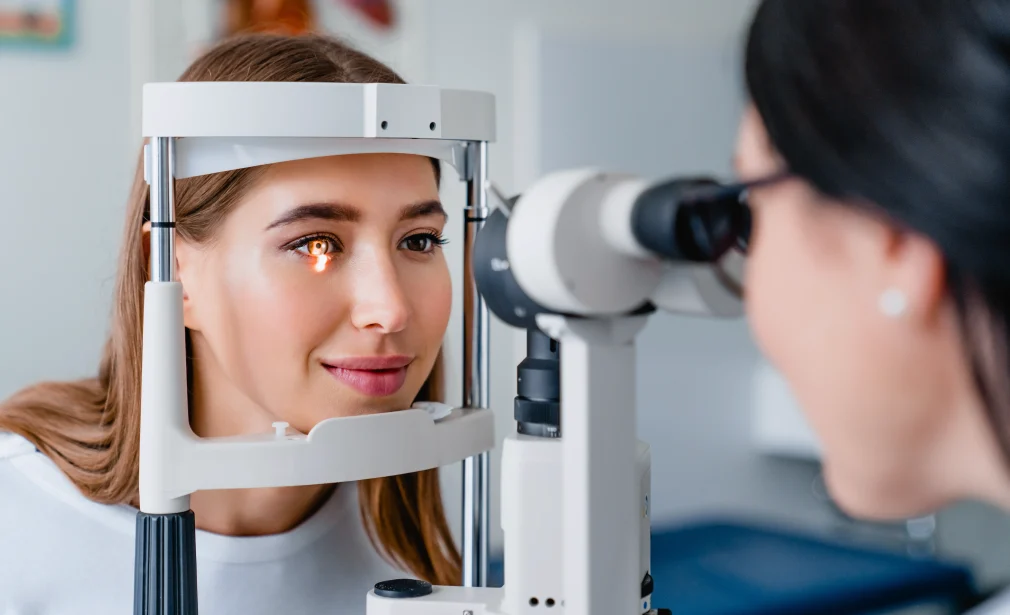
Ophthalmology is the specialized field of medicine dedicated to the comprehensive medical and surgical care of the eyes and vision. It represents the pinnacle of eye care, where highly trained physicians diagnose, treat, and prevent the full spectrum of diseases affecting our most precious sense. In the global landscape of healthcare, Poland has firmly established itself as a leading destination for ophthalmic excellence in Europe, renowned for its advanced surgical techniques, rigorous medical standards, and patient-centered approach. This distinction is the result of decades of investment in medical education, cutting-edge technology, and a healthcare system that prioritizes both innovation and accessibility. For international patients, choosing Poland for ophthalmology is not a compromise—it is a smart decision to access high-quality, affordable eye care delivered to the highest European standards. This page explores the comprehensive ophthalmic services available, from routine diagnostics to the most complex microsurgical procedures, all designed to restore clarity and protect your vision for a lifetime.
The Full Spectrum of Ophthalmic Expertise
Understanding the depth of care available is the first step toward making an informed health decision. The ophthalmic sector in Poland is characterized by a mature and advanced healthcare ecosystem, offering a complete range of services that rival and often exceed those found in Western nations. This ensures that no matter the condition, a world-class specialist is available to provide a tailored solution.
Understanding Comprehensive Ophthalmology: The Role of the Eye M.D.
An ophthalmologist, or Eye M.D., is the only medical doctor trained to provide the complete spectrum of eye care. Their extensive training, which includes a medical degree followed by years of specialized residency, uniquely qualifies them to serve as both physicians and surgeons for the eye.
As physicians, they diagnose and manage a vast array of conditions, from prescribing glasses and contact lenses to identifying systemic diseases like diabetes and hypertension that first manifest with ocular symptoms. As surgeons, they perform some of the most delicate and precise procedures in medicine, utilizing operating microscopes and sutures that are barely visible to the naked eye to restore and preserve vision. This dual expertise ensures a holistic approach to your eye health, where every aspect of your condition is understood and managed by a single, highly qualified specialist.
Specialized Care: Ophthalmic Subspecialties Available in Poland
The presence of a full suite of subspecialties is a clear indicator of a sophisticated healthcare system capable of managing the most complex cases. After completing their residency, many ophthalmologists in Poland pursue additional fellowship training to become experts in specific areas of the eye. Patients have access to this deep well of knowledge across all major ophthalmic subspecialties, ensuring that even the rarest and most challenging conditions can be treated effectively—often without the long waiting lists common in public healthcare systems abroad.
Key subspecialties include:
- Cornea and External Disease: Specialists in this field manage diseases of the cornea, sclera, and eyelids. They perform advanced procedures such as corneal transplants and are experts in refractive surgeries like LASIK.
- Vitreoretinal Diseases: These experts focus on conditions affecting the back of the eye, including the light-sensitive retina and the vitreous gel. They treat common but serious diseases like macular degeneration and diabetic retinopathy and perform complex procedures such as vitrectomy.
- Glaucoma: Glaucoma specialists are dedicated to the medical and surgical management of conditions that damage the optic nerve, often due to elevated eye pressure. They utilize advanced medications, laser therapies, and surgical implants to preserve vision.
- Pediatric Ophthalmology & Strabismus: This subspecialty focuses on the unique eye conditions affecting children, including amblyopia (“lazy eye”) and genetic disorders. These surgeons also correct strabismus (eye misalignment) in both children and adults.
- Oculoplastics: Oculoplastic surgeons combine ophthalmology with plastic and reconstructive surgery to treat conditions affecting the eyelids, eye socket (orbit), and tear drainage system, performing both functional and cosmetic procedures.
- Neuro-Ophthalmology: This intricate subspecialty addresses vision problems related to the brain and nervous system, diagnosing and treating conditions like optic nerve disorders, double vision, and vision loss from strokes or tumors.
Addressing a Comprehensive Range of Eye Conditions
Polish ophthalmology centers are equipped to diagnose and treat a vast array of eye diseases and disorders, from the most common refractive errors to complex, sight-threatening conditions. By leveraging advanced diagnostic technology and a wealth of specialist experience, leading clinics deliver world-class outcomes for patients from across Europe and beyond.
Restoring Clarity and Freedom: Correcting Refractive Errors
Refractive errors are the most frequent eye problems worldwide and occur when the shape of the eye prevents light from focusing correctly on the retina. These conditions are not just medical diagnoses; they are daily hindrances that impact quality of life. In Poland, these are routinely and permanently corrected with unparalleled precision. Common refractive errors include:
- Myopia (Nearsightedness): Causes distant objects to appear blurry.
- Hyperopia (Farsightedness): Causes near objects, and sometimes distant ones, to be out of focus.
- Astigmatism: Results from an irregularly shaped cornea, causing distorted or blurry vision at all distances.
- Presbyopia: The age-related loss of the ability to focus on close-up objects, typically beginning after age 40.
Advanced Treatment for Age-Related and Chronic Eye Diseases
Many of the most serious eye conditions are progressive, meaning they worsen over time and can lead to irreversible vision loss if not treated promptly and effectively. The ability to access immediate, expert care in Poland is not merely a convenience—it is a critical clinical advantage that can save sight. Affiliated specialists are leaders in managing these complex diseases.
- Cataracts: A cataract is a clouding of the eye’s naturally clear lens, causing vision to become blurry, hazy, or less colorful. It is a leading cause of vision loss in older adults, but it is fully treatable with modern surgery.
- Age-Related Macular Degeneration (AMD): This disease damages the macula, the part of the retina responsible for sharp, central vision needed for reading and driving. It can be “dry,” which is a slower thinning of the macula, or “wet,” a more aggressive form where abnormal blood vessels cause rapid vision loss.
- Glaucoma: Often called the “silent thief of sight,” glaucoma is a group of diseases that damage the optic nerve, typically due to a slow rise in internal eye pressure. It often has no early symptoms, leading to gradual and permanent loss of peripheral vision if not detected and treated early.
- Diabetic Retinopathy: This is a serious complication of diabetes and a leading cause of blindness in working-age adults. High blood sugar levels damage the delicate blood vessels in the retina, causing them to leak or grow abnormally, which can lead to severe vision loss if left unmanaged.
Advanced Ophthalmic Surgery: Precision, Safety, and Innovation
The primary draw for international patients seeking ophthalmic care is access to the world’s most advanced surgical procedures. Polish clinics have invested heavily in the latest generation of laser and surgical technologies, ensuring that every procedure is performed with maximum precision, safety, and effectiveness. Modern eye surgery is not a one-size-fits-all solution. The strength of the Polish ophthalmology sector lies in its ability to offer a complete portfolio of the world’s most advanced options, allowing surgeons to customize the perfect procedure for each patient’s unique anatomy,
| Vision Correction Procedure | Primary Corrected Conditions | Key Advantage | Ideal Candidate Profile |
| LASIK | Myopia, Hyperopia, Astigmatism | Fastest visual recovery | Patients with a wide range of prescriptions and healthy corneal thickness |
| SMILE | Myopia, Astigmatism | Flapless, minimally invasive procedure | Patients with active lifestyles, dry eye concerns, or contact sport participation |
| EVO ICL | High Myopia, Astigmatism | Reversible, additive technology; preserves corneal tissue | Patients with high prescriptions, thin corneas, or dry eye syndrome |
| RLE with Premium IOLs | Myopia, Hyperopia, Astigmatism, Presbyopia | Eliminates the need for future cataract surgery | Patients typically over 45 seeking to correct presbyopia and other refractive errors |
Laser Vision Correction: Reshaping the Future of Sight
Laser vision correction procedures permanently reshape the cornea, the clear front surface of the eye, to correct its focusing power and eliminate the need for glasses or contact lenses.
- LASIK (Laser-Assisted in Situ Keratomileusis): The gold standard in refractive surgery, LASIK is a two-step procedure renowned for its rapid recovery and excellent outcomes. A highly precise femtosecond laser creates a thin, hinged flap on the corneal surface. This flap is gently lifted, and an excimer laser, guided by a customized map of the eye, reshapes the underlying corneal tissue before the flap is repositioned to heal naturally.
- SMILE (Small Incision Lenticule Extraction): A newer, minimally invasive advancement, SMILE is a flapless “keyhole” procedure. A single femtosecond laser creates a small, lens-shaped piece of tissue (a lenticule) inside the cornea, which is then removed through a tiny incision. By avoiding a large flap, SMILE often reduces the incidence of post-operative dry eye and is an excellent choice for athletes or individuals in professions with a risk of eye injury.
- Advanced Surface Ablation (ASA/PRK/LASEK): These techniques are outstanding alternatives for patients with corneas that are too thin for LASIK. Instead of creating a flap, the surgeon gently removes the cornea’s thin outer layer (the epithelium). An excimer laser then reshapes the cornea, and the epithelium regenerates naturally over a few days.
Lens-Based Vision Solutions: Beyond the Cornea
For patients who are not ideal candidates for laser procedures or who have very high prescriptions, lens-based solutions offer remarkable visual correction from within the eye.
- Implantable Collamer Lens (EVO ICL): This procedure is an additive technology, meaning no corneal tissue is removed. An advanced, biocompatible lens made of collagen copolymer is gently inserted through a micro-incision and placed behind the iris, in front of the natural lens. The ICL is invisible to the naked eye and provides exceptionally sharp vision. It is an ideal solution for patients with high levels of nearsightedness or thin corneas and has the unique advantage of being completely reversible if needed.
- Refractive Lens Exchange (RLE): RLE is procedurally identical to modern cataract surgery but is performed as an elective procedure to correct refractive errors. The eye’s natural lens is removed and replaced with a technologically advanced premium intraocular lens (IOL). RLE can correct a full range of vision problems, including presbyopia, and offers a significant long-term benefit: it completely eliminates the possibility of developing cataracts later in life.
The New Era of Cataract Surgery: Achieving Spectacle Independence
Modern cataract surgery is no longer just about removing a cloudy lens; it is a refractive procedure that offers an opportunity to dramatically reduce or even eliminate the need for glasses. This is achieved through the use of premium intraocular lenses (IOLs). While a standard monofocal IOL corrects vision for a single distance (usually far), premium IOLs use advanced optics to provide a much broader range of clear vision.
Premium IOL options available include:
- Multifocal and Trifocal IOLs: These lenses have multiple focusing zones built in, allowing for clear vision at near, intermediate, and far distances, much like progressive eyeglasses but within the eye itself.
- Extended Depth of Focus (EDOF) IOLs: EDOF lenses create a single, elongated focal point to provide a continuous range of high-quality vision from distance to intermediate, often with fewer instances of glare or halos than multifocal designs.
- Toric IOLs: These specialized lenses are designed to correct astigmatism at the time of cataract surgery, correcting the irregular shape of the cornea to provide sharp, clear vision without the distortion caused by astigmatism.
Advanced Vitreoretinal Surgery (Vitrectomy)
For the most serious conditions affecting the back of the eye, a vitrectomy is a sight-saving procedure. During this surgery, the ophthalmologist makes tiny incisions in the eye to remove the vitreous—the clear, gel-like substance that fills the eye—to gain access to the retina. This allows the surgeon to repair retinal detachments, remove scar tissue caused by diabetic retinopathy, fix macular holes, or clear blood from the eye. The vitreous is then replaced with a saline solution, a temporary gas bubble, or silicone oil to help the retina heal and remain in its proper position.
The Polish Advantage: Why International Patients Choose Us for Ophthalmology
Poland’s emergence as a top-tier destination for ophthalmic care is built on a powerful combination of quality, technology, affordability, and a patient-centric service model. This carefully constructed ecosystem creates a virtuous cycle: the exceptional value attracts a high volume of international patients, which in turn provides surgeons with unparalleled experience. This experience and revenue justify continuous investment in the latest technology, further enhancing quality and reinforcing Poland’s reputation for excellence. For patients, this means the affordability is a direct result of an efficient, high-volume model, not a compromise on quality.
Uncompromising Quality and Safety: Our Core Commitment
Patient safety and clinical excellence are the cornerstones of Polish healthcare. Many leading hospitals and clinics in Warsaw, Kraków, Wrocław, and Poznań meet or exceed European Union healthcare standards. While formal JCI accreditation is less common than in some countries, Polish ophthalmic centers adhere to strict EU medical regulations and undergo rigorous national quality audits. Polish ophthalmologists are among the most experienced in Europe, often having trained in Germany, the UK, or the US, and actively participating in international research and professional societies. With thousands of successful procedures performed annually, their expertise is both deep and proven.
Access to World-Leading Ophthalmic Technology
Polish eye centers are equipped with the same, and often newer, technology as top clinics in Western Europe. This includes the latest-generation femtosecond lasers for blade-free LASIK and SMILE, advanced excimer laser platforms with sophisticated eye-tracking and wavefront-guided customization, and high-resolution diagnostic equipment like Optical Coherence Tomography (OCT). This commitment to technology ensures every procedure is performed with the highest degree of precision and safety.
Exceptional Value: World-Class Care at an Accessible Cost
The most compelling advantage for many international patients is the exceptional value. Ophthalmic procedures in Poland can cost **30–70% less** than the same procedures in the United States, the United Kingdom, and other Western European countries. For example, LASIK surgery that might cost $2,000 to $3,000 per eye in the U.S. is often available for $900 to $1,500 in Poland. This significant cost savings is achieved without any compromise on the quality of the surgeons, the technology used, or the standard of the medical facilities.
The Seamless Patient Experience
Recognizing the unique needs of medical travelers, Polish clinics have perfected a seamless and stress-free patient experience. This typically includes:
- All-Inclusive Packages: Bundled pricing often covers the surgical procedure, pre-operative consultations, post-operative care, medications, 4- or 5-star hotel accommodations, and all airport and clinic transfers.
- Multilingual Support: Dedicated international patient coordinators and multilingual staff (including English, German, French, and Scandinavian languages) are available to assist with every step of the journey, from the initial inquiry to the final check-up, eliminating any language barriers.
- No Waiting Lists: Unlike public healthcare systems where wait times for specialist care or surgery can stretch to months, patients in Poland can typically schedule their procedures within days or weeks, allowing for timely and efficient treatment.
Your Journey to Superior Vision in Poland
We understand that traveling abroad for medical care can seem daunting. That is why leading clinics in Poland have designed a clear, coordinated, and supportive process to ensure your journey to better vision is as smooth and comfortable as possible.
A Clear and Coordinated Path to Perfect Sight
- Step 1: Initial Remote Consultation & Personalized Treatment Planning: Your journey begins from the comfort of your home. You will have a remote consultation where you can share your medical history and eyeglass prescription. Our affiliated specialists will review your case and recommend a personalized treatment plan tailored to your specific needs and goals.
- Step 2: Effortless Travel & Arrival: Once you decide to proceed, our team will help coordinate your all-inclusive package. Upon arrival in cities like Warsaw or Kraków, you will be greeted by a personal host and transported via private vehicle to your hotel. All logistical details are handled for you.
- Step 3: Comprehensive Pre-Operative Assessment: On the day before your procedure, you will visit the clinic for a comprehensive, in-person eye examination. This includes advanced diagnostic tests to confirm your candidacy and finalize the precise parameters for your surgery, ensuring the highest level of safety and accuracy.
- Step 4: Your Procedure Day in a State-of-the-Art Facility: Your surgery will take place in a modern, sterile operating suite. The procedures are remarkably quick and painless, often taking only 10–15 minutes per eye. Anesthetic eye drops are used to ensure your comfort throughout the process.
- Step 5: Recovery, Aftercare, and Enjoying Your New Vision: Recovery is typically very rapid. Most patients notice a dramatic improvement in their vision within 24 hours. You will have a follow-up appointment with your surgeon the next day to monitor your healing. With a short stay of just a few days, many patients take the opportunity to enjoy the historic and cultural sights of Poland before returning home with newfound visual freedom.
Invest in Your Vision with Confidence
The decision to undergo eye surgery is an investment in your quality of life. Choosing to have your procedure in Poland offers an unparalleled opportunity to access the world’s most advanced ophthalmic care, delivered by elite specialists in state-of-the-art facilities, all at a price that makes perfect vision an accessible reality. It is the clear choice for discerning international patients who demand the best possible outcomes without compromise. Take the first step toward a future of clarity and visual freedom.
Looking for a specific treatment? Below is a list of the most popular treatments offered by the clinics we work with.
If you don’t see the treatment you’re looking for, don’t worry! Our partner clinics offer a much wider range of procedures, and we’re here to help you find exactly what you need.
Just get in touch with us – we’re confident we can match you with the right clinic and treatment.Refractive Lens Exchange Treatments
- Refractive Lens Exchange – Acrysof IQ Monofocal Intraocular Lens
Average stay in Poland: 1-3 days.
This procedure involves the removal of the natural lens of the eye and replacing it with a monofocal artificial lens. Acrysof IQ provides sharp vision at one distance – usually for distance vision – and minimizes optical aberrations. It is a safe method for correcting presbyopia and cataracts.
- Refractive Lens Exchange – Acrysof IQ Toric Monofocal Lens (Correction of Astigmatism)
Average stay in Poland: 1-3 days.
The Toric lens allows for simultaneous correction of spherical error and astigmatism. As a result, the patient achieves sharp vision without the need to wear cylindrical glasses. The procedure is recommended for individuals with cataracts and coexisting astigmatism.
- Refractive Lens Exchange – EDOF Acrysof IQ Vivity Lens (Extended Depth of Vision)
Average stay in Poland: 1-3 days.
EDOF (Extended Depth of Focus) lenses offer a wider range of focus, improving distance and intermediate vision. Acrysof IQ Vivity is an innovative solution for patients seeking greater independence from glasses. It provides natural, smooth vision without the halo or glare effect.
- Refractive Lens Exchange – EDOF Acrysof IQ Vivity Toric Lens (With Astigmatism Correction)
Average stay in Poland: 1-3 days.
This is a modern intraocular lens combining EDOF technology with astigmatism correction. It provides clear vision at distance and intermediate with minimal dependence on glasses. Ideal for patients with astigmatism expecting high visual comfort.
- Refractive Lens Exchange – Acrysof IQ PanOptix Trifocal Lens
Average stay in Poland: 1-3 days.
The Acrysof PanOptix trifocal lens provides sharp vision at three distances – near, intermediate, and far. With it, the patient can function without glasses in everyday life – for example, reading, driving, and working at the computer. It is a premium solution for active patients.
- Refractive Lens Exchange – Acrysof IQ PanOptix Toric Trifocal Lens
Average stay in Poland: 1-3 days.
The toric version of the PanOptix lens additionally corrects astigmatism, providing complete refractive correction. It combines top-notch optics with cylindrical correction. The procedure allows for full visual acuity without glasses even with coexisting vision defects.
- Refractive Lens Exchange – RayOne Galaxy Toric Multifocal Lens (With Astigmatism Correction)
Average stay in Poland: 1-3 days.
The RayOne Galaxy Toric multifocal lens allows for vision at various distances while simultaneously correcting astigmatism. It is a solution for patients seeking complete independence from glasses. It guarantees good vision and high visual comfort.
- Refractive Lens Exchange – RayOne Galaxy Multifocal Lens
Average stay in Poland: 1-3 days.
The RayOne Galaxy lens offers vision at various distances due to the use of modern multifocal technology. It is an option for patients who want to get rid of glasses for both reading and distance. The procedure improves quality of life and comfort in daily functioning.Vitrectomy Treatments
- Vitrectomy (PPV)
Average stay in Poland: 1-3 days.
Vitrectomy (pars plana vitrectomy) is a microsurgical procedure involving the removal of the vitreous body from inside the eye. It is used to treat, among other things, retinal detachment, hemorrhages, or macular holes. Depending on the indications, it may be combined with other procedures.
- Vitrectomy with Cataract Removal and Insertion of the Rainer RAO100C Lens
Average stay in Poland: 1-3 days.
This procedure combines vitrectomy with cataract surgery and the implantation of the Rainer RAO100C intraocular lens. It allows for the simultaneous treatment of diseases of the posterior segment of the eye as well as cataracts. This solution is often chosen in cases of multifactorial eye pathology.
- Vitrectomy with Gas
Average duration of stay in Poland: 1-3 days.
Vitrectomy using gas involves replacing the removed vitreous body with a special gas that presses the retina and helps it to reattach. The gas is absorbed naturally within a few weeks. The procedure is primarily used for retinal detachments and holes in the macula.
- Vitrectomy with Silicone Oil
Average length of stay in Poland: 1-3 days.
In this type of vitrectomy, the space left by the vitreous body is filled with silicone oil, which stabilizes the retina in more difficult cases. The oil can remain in the eye for a longer period of time and is then removed in a separate procedure. It is used in advanced retinal pathologies, such as proliferative diabetic retinopathy.
Online simple step for appointment

Make Appointment

Select Doctor
Get Consultation
Frequently asked questions
Absolutely. Safety is the highest priority. Leading Polish clinics adhere to stringent international standards, with many holding JCI accreditation. They use the latest FDA-approved technology and are staffed by highly experienced surgeons with proven track records.
Ideal candidates are generally over 18 years of age with a stable glasses or contact lens prescription for at least one year. A comprehensive pre-operative exam is required to confirm your corneal thickness and overall eye health are suitable for the procedure.