
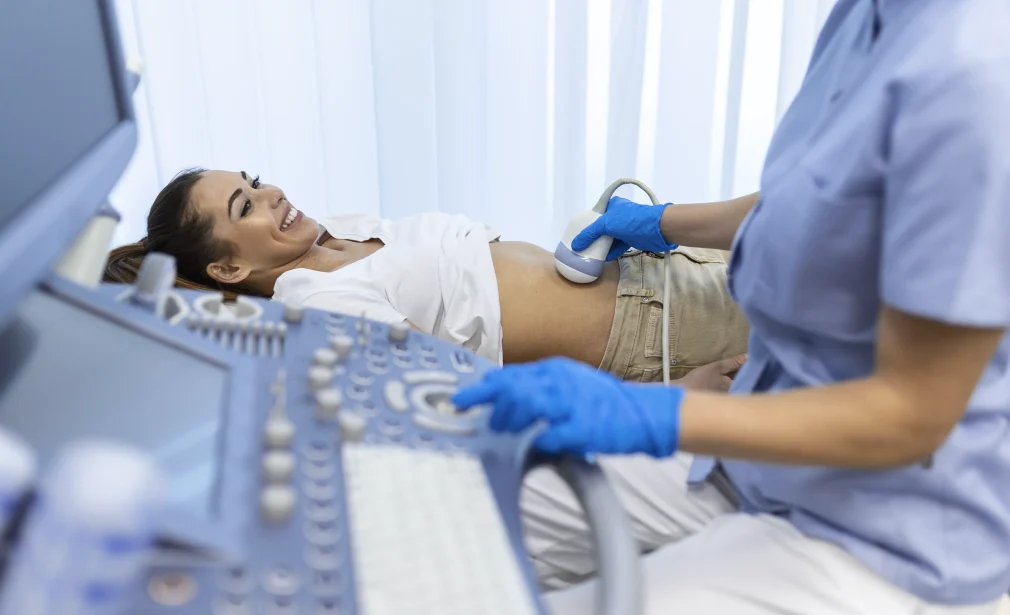
A Commitment to Lifelong Women’s Health: The Spectrum of Gynecological Care
Exceptional gynecological care is built on a foundation of prevention and a holistic understanding of women’s health throughout their lives. It is a proactive partnership that aims to maintain wellness and detect potential issues early, rather than simply reacting to problems as they arise. This philosophy of comprehensive, preventative medicine is a hallmark of leading medical centers in Poland, ensuring that patients receive care that considers their long-term health and well-being. For a patient considering a significant medical procedure abroad, this commitment to thorough, preventative care serves as a powerful indicator of an institution’s overall dedication to quality and patient-first principles, building a crucial layer of trust.Preventative Care and Routine Screenings
The cornerstone of preventative gynecology is the annual wellness exam. This yearly visit is a vital opportunity to monitor your health, discuss any concerns, and perform screenings that are critical for early detection of disease. Key components of preventative care in Poland include:- Pelvic Exam: A routine part of a gynecological visit, the pelvic exam allows a clinician to assess the health of the reproductive organs, including the vulva, vagina, cervix, uterus, and ovaries. It involves a visual and physical examination to check for abnormalities, infections, or other issues.
- Pap Smear (Cervical Cytology): The Pap smear is a highly effective screening test for detecting abnormal cells on the cervix that could lead to cervical cancer. In Poland, women are advised to begin screening at age 21, with repeat tests every 3–5 years depending on results and age. This preventive measure has significantly reduced cervical cancer rates.
- Human Papillomavirus (HPV) Testing: HPV is the primary cause of cervical cancer. HPV testing is increasingly used in conjunction with Pap smears (co-testing) to identify high-risk strains, helping to determine individual risk and optimize screening intervals.
- Breast Exams and Imaging: A clinical breast exam, performed by a healthcare provider, is an important part of routine check-ups. Based on age and risk factors, Polish clinics recommend regular mammograms or breast ultrasounds to detect breast cancer in its earliest, most treatable stages.
From Adolescent Health to Reproductive Years
Gynecological care in Poland adapts to meet the changing needs of a woman’s life. During adolescence and the reproductive years, care is often focused on menstrual health, contraception, and family planning. This includes providing education and management for common menstrual issues, offering guidance on the wide array of birth control options to find the best fit for an individual’s lifestyle and health needs, and offering preconception counseling for those planning to start a family.Menopause and Post-Menopausal Care
The transition into menopause is a significant life stage that brings about numerous physical and hormonal changes. A gynecologist is an essential partner during this time, helping to manage symptoms such as hot flashes, night sweats, vaginal dryness, and mood swings that can impact daily life. Post-menopausal care in Poland focuses on maintaining bone health, cardiovascular wellness, and addressing any ongoing gynecological concerns, ensuring a healthy and vibrant life well beyond the reproductive years.Expert Diagnosis and Management of Gynecological Conditions
Many women experience symptoms like chronic pelvic pain, heavy or irregular bleeding, or discomfort that significantly disrupt their lives. These are not conditions that one must simply endure; they are often signs of underlying medical issues that can be effectively diagnosed and managed with expert care. Gaining a clear diagnosis is the critical first step toward relief and restored health. However, a significant challenge in gynecology is the overlap of symptoms between different conditions, which can lead to years of uncertainty, misdiagnosis, or ineffective treatment. For instance, both endometriosis and uterine fibroids can cause severe pain and heavy bleeding, making a definitive diagnosis difficult without specialized expertise and advanced diagnostic tools. This is where seeking care at a dedicated center of excellence in Poland becomes invaluable. These centers bring together multidisciplinary teams and state-of-the-art imaging technology to unravel complex cases, providing the diagnostic clarity essential for creating a targeted and effective treatment plan.Endometriosis
- What It Is: Endometriosis is a chronic condition where tissue similar to the lining of the uterus (the endometrium) grows outside of the uterus, commonly on the ovaries, fallopian tubes, and pelvic lining.
- Prevalence: It affects an estimated 1 in 10 women of reproductive age, translating to approximately 11% of women in this demographic.
- Symptoms: The hallmark symptom is pain—severely painful periods (dysmenorrhea), chronic pelvic pain, pain during or after intercourse, and painful bowel movements or urination during menstruation. Infertility is also a common consequence.
- Advanced Treatment: Management is tailored to symptom severity and reproductive goals. Options include pain medication, hormonal therapies (e.g., birth control pills), and minimally invasive surgery. Laparoscopy is the gold standard for both diagnosing and treating endometriosis, allowing precise removal of lesions to alleviate pain and improve fertility.
Uterine Fibroids (Leiomyomas)
- What They Are: Uterine fibroids are common noncancerous growths that develop in or on the muscular wall of the uterus. They can range from tiny seedlings to large masses that distort the uterus.
- Prevalence: Fibroids are the most common benign tumors in women of childbearing age, affecting up to 80% of women by age 50.
- Symptoms: While many women are asymptomatic, others experience heavy or prolonged menstrual bleeding, pelvic pain or pressure, frequent urination, and constipation.
- Modern Management: Treatment depends on size, location, and reproductive goals. Options include medications, hormonal therapies, uterine artery embolization (UAE), and surgical removal (myomectomy), which preserves the uterus.
Polycystic Ovary Syndrome (PCOS)
- What It Is: PCOS is a common hormonal disorder characterized by irregular periods, excess male hormones (androgens), and ovarian cysts.
- Prevalence: Affects 6% to 13% of women in their reproductive years. Alarmingly, up to 70% remain undiagnosed.
- Symptoms and Health Risks: Includes irregular periods, acne, hirsutism (excess hair), and weight gain. PCOS is linked to insulin resistance, type 2 diabetes, high cholesterol, and heart disease.
- Management Strategies: No cure, but effective through lifestyle changes (diet, exercise), hormonal birth control, and medications to manage insulin resistance and other symptoms.
Common Menstrual Disorders
Painful, heavy, or unpredictable periods are common but should not be dismissed.- Menorrhagia (Heavy Menstrual Bleeding): Defined as bleeding that interferes with daily life—soaking through pads/tampons hourly. Treatments include tranexamic acid, NSAIDs, and hormonal contraception.
- Dysmenorrhea (Painful Periods): Severe pain is not normal. Primary dysmenorrhea involves cramping without disease; secondary dysmenorrhea is caused by conditions like endometriosis or fibroids. Treating the root cause is essential.
Pelvic Floor Disorders
The pelvic floor supports the bladder, uterus, and rectum. Weakening due to childbirth or aging can lead to disorders.- Overview: Includes pelvic organ prolapse (e.g., cystocele, rectocele) and urinary incontinence.
- Symptoms and Treatment: Symptoms include pelvic pressure, vaginal bulge, and leakage. Treatments range from pelvic floor exercises and pessaries to reconstructive surgery for long-term correction.
Advanced Gynecological Procedures and Surgical Excellence
The field of gynecological surgery in Poland has been revolutionized by minimally invasive techniques. These modern approaches have largely replaced traditional open surgery for many conditions, offering patients significant benefits—less pain, minimal scarring, lower complication risk, and faster recovery. A quicker recovery is especially valuable for medical travelers, reducing time away from home and work. Table 1: A Comparative Overview of Modern Gynecological Surgical Techniques| Technique | Incision | Hospital Stay | Recovery Time | Ideal For… |
| Abdominal (Open) Surgery | 4-8 inches, horizontal or vertical | 2-3 nights | 4-6 weeks | Very large fibroids, certain cancers, complex cases |
| Vaginal Surgery | None external (incision inside the vagina) | 0-1 night | Up to 4 weeks | Uterine prolapse, certain hysterectomies |
| Laparoscopic Surgery | Several small cuts (typically <1 cm) | 0-1 night (often outpatient) | 1-3 weeks | Endometriosis, ovarian cysts, myomectomy, hysterectomy |
| Robotic-Assisted Surgery | Several small cuts (typically <1 cm) | 0-1 night (often outpatient) | 2-3 weeks | Complex myomectomy, deep endometriosis, reconstructive procedures |
The Evolution to Minimally Invasive Surgery
- Laparoscopy: Known as “keyhole surgery,” it uses a camera and small instruments through tiny abdominal incisions. Provides magnified view for precise treatment of endometriosis, cysts, and adhesions.
- Hysteroscopy: Incision-free. A hysteroscope is passed through the cervix into the uterus. Used to diagnose and treat polyps, fibroids, or scar tissue inside the uterine cavity.
- Robotic-Assisted Surgery: Enhances laparoscopy with 3D high-definition vision and robotic precision. Ideal for complex procedures like delicate myomectomies or hysterectomies in scarred tissue.
Key Surgical Treatments Explained
- Myomectomy (Uterine-Preserving Fibroid Removal):
- Purpose: Removes fibroids while preserving the uterus—ideal for women who wish to maintain fertility.
- Approaches: Abdominal for large/multiple fibroids; Laparoscopic/Robotic for outer-wall fibroids; Hysteroscopic for intra-cavity fibroids.
- Hysterectomy (Uterus Removal):
- Purpose: Definitive treatment for severe fibroids, adenomyosis, cancer, or uncontrollable bleeding. Ends fertility.
- Types: Partial (uterus only), Total (uterus and cervix), Radical (for cancer, includes surrounding tissues).
- Approaches: Abdominal, Vaginal (no external scars), or Laparoscopic/Robotic (fastest recovery).
The Polish Advantage: Why Seek Gynecological Care in Poland?
Understanding gynecological conditions and treatments is the first step. The next is realizing that top-tier care is accessible and affordable in Poland. Choosing to travel for treatment offers a powerful combination of quality, speed, and support. While the idea of medical travel may seem daunting, a trusted medical facilitator removes the stress, managing every detail so you can focus solely on your health.Access to Highly Trained Specialists and Modern Clinics
Poland offers access to gynecological surgeons who are leaders in their fields, many trained in Germany, the UK, or the US. You gain care from specialists who treat complex conditions daily, ensuring greater expertise. Partner clinics in Warsaw, Kraków, Wrocław, and Poznań adhere to EU healthcare standards and maintain modern, patient-friendly facilities.State-of-the-Art Technology and Advanced Treatments
Polish clinics are equipped with cutting-edge technology, including robotic surgery platforms, high-resolution 3D/4D ultrasound, and advanced laparoscopic systems. Patients benefit from the latest, least invasive treatments—many not readily available or associated with long wait times in their home countries.Uncompromising Quality at a Compelling Cost
One of the most significant advantages is cost savings. Patients can achieve **40% to 70%** savings on gynecological procedures compared to the US or Western Europe. These savings result from lower operational costs and favorable economic conditions—not from lower quality of care.Immediate Access to Treatment, Bypassing Long Wait Times
In many public healthcare systems, wait times for consultations or surgery can stretch to months. In Poland’s private sector, patients can typically schedule consultations and procedures within weeks, allowing timely care—especially critical for fertility or pain management.A Seamless, Supportive, and Private Patient Experience
A dedicated medical travel partner ensures a stress-free journey by managing every detail:- Trip Planning: Assistance with flights, medical visas, and airport transfers.
- Accommodation: Comfortable, recovery-friendly lodging in 4- or 5-star hotels.
- Personalized Coordination: A single point of contact for appointments, translation, and medical record transfer.
- Privacy and Comfort: Discreet, personalized care in a serene environment, away from daily stress.
Anterior & Posterior Wall Vaginoplasty with Perineoplasty
| Estimated Package Cost | From £2,999 (5–7 day stay) |
|---|---|
| Expected Result | Pain and discomfort reduction, enhanced sexual function, improved pelvic support, reduced urinary symptoms |
| Anesthesia | General or regional |
| Stay in Poland | 5–7 days (hospital & hotel) |
| Back to Office | 4 weeks |
| Driving | 1–2 weeks |
| Follow-Up | As scheduled, based on medical need |
| Eligibility | Preoperative form, medical records, blood tests, and photos of the area required. |
Laparoscopic Tubal Reanastomosis (Tubal Reversal)
| Estimated Package Cost | From £3,899 (7-day stay) |
|---|---|
| Expected Result | Restoration of natural fertility by reconnecting previously blocked or cut fallopian tubes |
| Anesthesia | General |
| Stay in Poland | 7 days (hospital & hotel) |
| Back to Office | 1 week |
| Driving | 1 week |
| Follow-Up | As scheduled, based on medical need |
| Eligibility | Preoperative form, medical records, and blood tests required. |
Looking for a specific treatment? Below is a list of the most popular treatments offered by the clinics we work with.
If you don’t see the treatment you’re looking for – don’t worry! Our partner clinics offer a much wider range of procedures, and we’re here to help you find exactly what you need. Just get in touch with us – we’re confident we can match you with the right clinic and treatment.- Laparoscopic hysterectomy (TLH – Total Laparoscopic Hysterectomy) using 3D technology.
- Average duration of stay in Poland: 5 – 7 days.
- Minimally invasive gynecological surgery for complete uterus removal.
- Performed through small abdominal incisions with 3D HD technology for increased safety and precision.
- Laparoscopic removal of the uterine body (LSH – Laparoscopic Supracervical Hysterectomy) using 3D technology.
- Average stay in Poland: 5 – 7 days.
- Minimally invasive gynecological procedure removing only the uterine body, leaving the cervix intact.
- Performed laparoscopically with advanced 3D HD technology.
- Indications: fibroids, chronic bleeding, adenomyosis, and other benign uterine diseases.
- Benefits: reduced risk of complications and maintenance of pelvic floor support.
- Typical duration: 60-90 minutes, under general anesthesia.
- Laparoscopic removal of uterine fibroids (laparoscopic myomectomy)
- Average length of stay in Poland: 4 – 6 days.
- Minimally invasive surgical procedure to precisely remove fibroid tumors while preserving the uterus.
- Recommended for women planning to preserve fertility or prefer to keep their uterus.
- Benefits: safe, effective, shorter recovery, less pain, and better aesthetic outcomes due to modern HD or 3D imaging.
- Typical duration: 1–2 hours, under general anesthesia.
- Return to daily activities usually within a few days.
- Laparoscopic treatment of deep infiltrating endometriosis of the bladder
- Average length of stay in Poland: 6 – 8 days.
- Advanced, minimally invasive surgical procedure to remove endometriosis foci penetrating the bladder wall.
- Symptoms: abdominal pain, frequent urgency, painful urination, menstrual disturbances.
- Performed laparoscopically for high precision and minimal tissue trauma.
- Often involves collaboration with a urology specialist.
- Benefits: lasting symptom reduction and improved quality of life.
- Laparoscopic micro-surgical tube repair after sterilization (TLR – Tubal Ligation Reversal)
- Average stay in Poland: 5 – 7 days.
- Advanced procedure to restore fallopian tube patency after permanent surgical contraception.
- Performed under general anesthesia using laparoscopic techniques with micron tools.
- Success rates depend on initial sterilization method, preserved fallopian tube length, and patient health.
- Allows for natural conception.
- Removal of endometriosis from a cesarean scar
- Average length of stay in Poland: 4 – 6 days.
- Surgical excision of endometrial lesions in the cesarean scar area.
- Symptoms: cyclically worsening pain (especially around menstruation) and a palpable nodule.
- Procedure under general anesthesia, can be traditional or laparoscopic.
- May require abdominal wall reconstruction for deep infiltration.
- Benefits: lasting symptom relief and improved quality of life.
- Removal of the body of the uterus (supracervical laparoscopic hysterectomy – LSH)
- Average length of stay in Poland: 5 – 7 days.
- Surgical procedure involving removal of only the upper part of the uterus (the body), leaving the cervix intact.
- Most commonly performed laparoscopically (LSH) through small abdominal incisions.
- Typical duration: 60-90 minutes, under general anesthesia.
- Indications: fibroids, adenomyosis, chronic bleeding, lower abdominal pain, and other benign uterine changes.
- Plastic surgery of the anterior and posterior vaginal wall with perineoplasty
- Average stay in Poland: 5 – 8 days.
- Gynecological procedure to treat pelvic organ prolapse (bladder and rectum).
- Involves reinforcing vaginal walls and, if necessary, restoring perineum anatomy.
- Indications: sensation of vaginal “prolapse,” urinary incontinence, bowel dysfunction, discomfort during intercourse, chronic pelvic pain.
- Typical duration: 60–90 minutes, under regional or general anesthesia.
- Can be combined with other pelvic floor procedures.
- Benefits: significantly improves quality of life.
- Vaginoplasty of the anterior and posterior vaginal wall (colporrhaphy)
- Average length of stay in Poland: 5 – 7 days.
- Gynecological procedure for pelvic organ descent or prolapse (bladder and rectum).
- Symptoms: heaviness, pressure in the vagina, urination/bowel difficulties, discomfort during intercourse.
- Involves surgically reinforcing and suturing weakened vaginal wall tissues.
- Complemented by perineoplasty if necessary.
- Typical duration: 60–90 minutes, under regional or general anesthesia.
- Benefits: significantly improves quality of life, restoring comfort.
- Labiaplasty – surgery of the labia
- Average length of stay in Poland: 3 – 5 days.
- Surgical procedure to correct the shape or size of the labia (often labia minora).
- Indications: aesthetic and functional discomfort (tight underwear, sports, intercourse, daily functioning).
- Typical duration: 45 to 90 minutes, under local or general anesthesia.
- Benefits: improved physical comfort and increased self-confidence.
- Recovery: 1–2 weeks, full aesthetic effect visible within a few weeks.
Online simple step for appointment

Make Appointment

Select Doctor
Get Consultation
Frequently asked questions
The journey begins with a thorough evaluation of your medical history. Through secure virtual consultations, our affiliated specialists will review your medical records, imaging results, and health information to develop a personalized treatment plan tailored to your specific diagnosis and health goals. This ensures you receive the most appropriate and effective care.
Recovery is significantly faster with minimally invasive techniques like laparoscopy or robotic surgery. While traditional open surgery can require a 4-6 week recovery period, most patients undergoing minimally invasive procedures are back to light activities within 1-3 weeks. This shorter downtime is a major advantage for medical travelers, allowing for a safer and more comfortable return journey.