
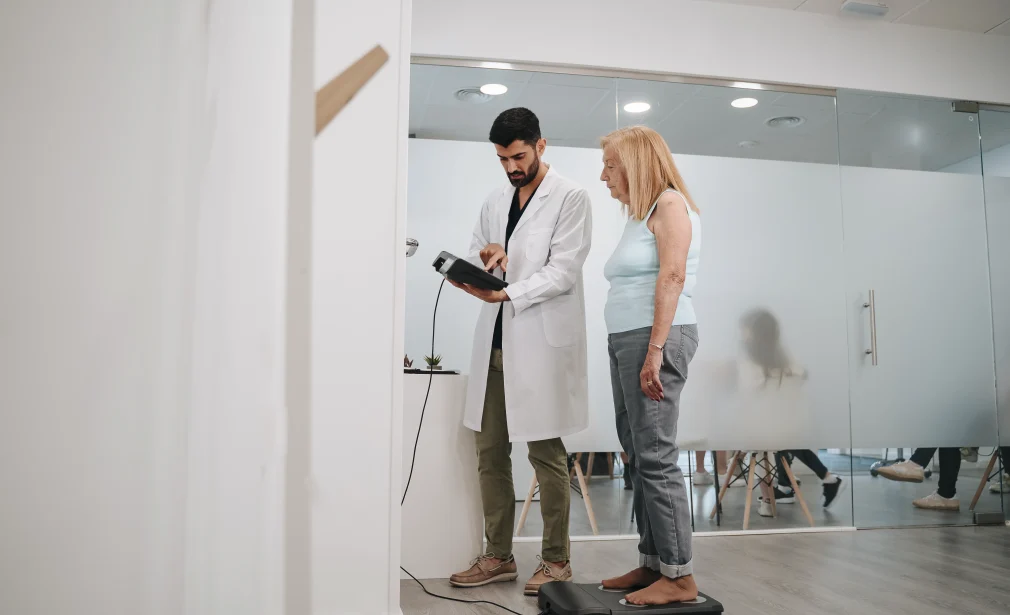
The Power of Prevention: Unlocking a Healthier Future with Early Detection
The single most significant benefit of a comprehensive full body checkup is its capacity for early disease detection. Many of the most serious health conditions, including various cancers and cardiovascular diseases, are asymptomatic in their initial stages. When diagnosis occurs only after symptoms become apparent, the disease may have already progressed to an advanced stage where treatment is more complex and less effective. Preventive screening fundamentally alters this paradigm. Evidence overwhelmingly demonstrates that early detection saves lives. For some of the most common cancers, survival rates are dramatically higher when the disease is identified at an early, localized stage. For instance, over 90% of women diagnosed with breast cancer at stage 1 survive for at least five years, a figure that plummets to just 15% for those diagnosed at stage 4. Similarly, the five-year survival rate for bowel cancer is over 90% when caught at stage 1, compared to only 10% at stage 4. Early diagnosis also frequently allows for the use of less invasive and more effective treatments. A small, early-stage tumor might be treatable with minor surgery or targeted therapies, avoiding the need for extensive chemotherapy or radiation, thereby reducing the physical and emotional burden on the individual. Beyond the profound clinical benefits, a proactive approach to health is also a sound financial investment. The cost of managing chronic, advanced-stage diseases—including complex surgeries, long-term medication, and potential loss of income—is substantially higher than the cost of preventive screening and early intervention. By identifying and addressing health issues before they escalate, a full body checkup can help prevent significant future healthcare expenses. Furthermore, the psychological rewards are immeasurable. Living with uncertainty about one’s health can be a source of significant anxiety. A comprehensive checkup provides clarity and reassurance, confirming well-being and empowering individuals with the peace of mind that comes from knowing their health status is being actively monitored. This process also establishes a crucial health baseline—a detailed record of an individual’s unique biological markers. This baseline becomes an invaluable reference point for future checkups, allowing physicians to track changes over time and provide highly personalized, effective, and proactive care. This transforms healthcare from a generic set of guidelines into a data-driven strategy tailored to an individual’s specific needs, optimizing their health and enhancing their longevity.A Comprehensive Evaluation: What Your Full Body Checkup Includes
A truly definitive full body checkup in Poland is characterized by its methodical and multi-faceted approach, leaving no stone unturned in its assessment of an individual’s health. The evaluation is built upon several layers of investigation, each providing unique and complementary information. It begins with a detailed physician consultation and physical examination, proceeds to extensive laboratory analysis, and is completed with advanced diagnostic imaging, creating a holistic and in-depth health profile. The process starts with a comprehensive consultation, where a physician reviews an individual’s personal and family medical history, lifestyle factors, and any current health concerns. This is followed by a thorough physical exam, which includes checking vital signs (blood pressure, heart rate), measuring height and weight to calculate Body Mass Index (BMI), and examining all major body systems. The core of the checkup lies in extensive laboratory testing of blood and urine samples. These analyses provide a wealth of information about the inner workings of the body, assessing the function of vital organs like the liver and kidneys, evaluating metabolic health, and identifying potential nutritional deficiencies or markers of inflammation. Finally, advanced diagnostic imaging offers a non-invasive window into the body, allowing specialists to visualize internal organs and structures with remarkable clarity. Technologies such as ultrasound, electrocardiogram (ECG), CT scans, and MRI are used to detect abnormalities that a physical exam alone cannot uncover. For example, an MRI provides excellent detail of soft tissues and the brain, while a CT scan is highly effective for visualizing the lungs and coronary arteries. This combination of techniques ensures a truly comprehensive assessment. The following table outlines the core components of a comprehensive full body checkup, translating complex medical tests into clear, benefit-oriented insights.| Category | Purpose & Key Insights Provided | Common Tests Included |
|---|---|---|
| Hematology | Evaluates overall health, detecting conditions like anemia, infection, and blood disorders. | Complete Blood Count (CBC) |
| Cardiovascular Health | Assesses risk for heart disease and stroke by measuring cholesterol, inflammation, and heart function. | Lipid Profile (Total, HDL, LDL, Triglycerides), hs-CRP, ECG, Echocardiography, CT Calcium Score |
| Metabolic & Diabetic Profile | Screens for diabetes and prediabetes by measuring average and current blood sugar levels. | Fasting Blood Glucose, HbA1c |
| Liver Function | Measures key enzymes and proteins to assess liver health and detect damage or disease like hepatitis. | ALT, AST, ALP, Bilirubin, Total Protein |
| Kidney Function | Evaluates how well your kidneys are filtering waste from your blood, screening for kidney disease. | Creatinine, Blood Urea Nitrogen (BUN), Urinalysis |
| Thyroid Function | Assesses the function of your thyroid gland, which regulates metabolism, energy, and mood. | TSH, T3, T4 |
| Nutritional Status | Identifies deficiencies in essential vitamins and minerals that can impact energy, bone health, and immunity. | Vitamin D, Vitamin B12, Iron, Calcium |
| Cancer Markers | Screens for specific proteins that can be elevated in the presence of certain cancers (gender-specific). | PSA (Prostate – Men), CA-125 (Ovarian – Women) |
| Advanced Imaging | Provides detailed, non-invasive views of internal organs, blood vessels, and tissues to detect abnormalities. | Abdominal & Pelvic Ultrasound, Chest X-ray/CT, MRI of the Head |
Personalized Screenings for Men and Women Across Every Stage of Life
A sophisticated approach to preventive health recognizes that a one-size-fits-all model is insufficient. Men and women face distinct health risks, and these risks evolve throughout the stages of life. A truly comprehensive full body checkup in Poland is therefore tailored, incorporating gender- and age-specific screenings to provide the most relevant and impactful health insights. For women, specific screenings are essential for monitoring reproductive health and detecting cancers that exclusively or predominantly affect them. These include regular mammograms for the early detection of breast cancer, which is most treatable when found in its initial stages. A Pap test and/or an HPV test are crucial for screening for cervical cancer, allowing for the detection of abnormal cells before they become cancerous. A pelvic ultrasound provides a detailed view of the uterus and ovaries, and blood tests for specific tumor markers, such as CA-125 for ovarian cancer, can offer additional layers of screening. For post-menopausal women, a bone density test (DEXA scan) is vital for assessing the risk of osteoporosis. For men, preventive health focuses on conditions such as prostate and testicular cancer, as well as cardiovascular health. A cornerstone of this is the screening for prostate health, which includes a Prostate-Specific Antigen (PSA) blood test. While elevated PSA levels can indicate prostate cancer, they can also be caused by other benign conditions, making a consultation with a specialist essential for interpretation. A physical examination to check for any abnormalities in the testes is also a key component of a men’s health screening. Health needs also change significantly with age. While foundational tests are important for all adults, the focus and frequency of screenings are adjusted over time. For example, screening for colorectal cancer is typically recommended to begin at age 45 for individuals at average risk. Cardiovascular assessments, such as stress tests and CT calcium scoring, become increasingly important for both men and women over the age of 40. Public health guidelines provide a valuable baseline for these recommendations. However, an elite preventive health program in Poland uses these standards as a starting point, building upon them with advanced diagnostics and a personalized schedule based on an individual’s unique genetic predispositions, lifestyle, and personal health history. This ensures a level of care that is not just standard, but exceptional.The Polish Advantage: World-Class Healthcare with Exceptional Value
Choosing where to have a comprehensive full body checkup is as important as the decision to have one. Poland has firmly established itself as a leading destination in Europe for preventive medical care, offering a unique combination of world-class healthcare, advanced technology, and exceptional value. Strategically located in Central Europe, cities like Warsaw, Kraków, Wrocław, and Poznań provide convenient access for international travelers seeking the highest standards of medical care. The cornerstone of this medical excellence is an unwavering commitment to quality and safety. Leading private hospitals and diagnostic centers in Poland adhere to strict European Union healthcare regulations and undergo rigorous national quality audits. While formal Joint Commission International (JCI) accreditation is less common, many partner clinics are ISO 9001 certified and meet or exceed EU standards for patient safety, clinical excellence, and operational efficiency. This provides clients with the assurance that they are receiving care that is on par with top hospitals in Western Europe. This commitment to quality is embodied by the elite medical professionals who oversee the checkups. Clients are cared for by internationally trained, multilingual physicians and specialists who are leaders in their respective fields. They utilize state-of-the-art diagnostic technology, including the latest generation MRI and CT scanners and fully automated laboratories, ensuring precision and accuracy in every test and scan. This uncompromising standard of quality is delivered with an unparalleled value proposition. Due to favorable economic conditions in Poland, and not any compromise on medical standards, a comprehensive full body checkup can be **50–75% more affordable** than an equivalent assessment in the United States, the United Kingdom, or Germany. This intelligent investment allows individuals to access a level of thoroughness in preventive care that might be prohibitively expensive in their home countries. The experience is further enhanced by a patient-centric approach, featuring concierge services, multilingual support, and little to no waiting times, transforming a medical necessity into a seamless and stress-free journey.Your Seamless Health Journey with Lux Med Travel
The process of undertaking a full body checkup as an international traveler is designed to be as smooth, efficient, and comfortable as possible. Every step of the journey is meticulously planned and managed to eliminate stress and uncertainty, allowing clients to focus solely on their health and well-being. The journey begins before arrival, with pre-assessment coordination. Clients will complete a thorough medical questionnaire and receive clear, detailed instructions on how to prepare for their checkup. This typically includes fasting for 8–12 hours to ensure the accuracy of blood tests, avoiding alcohol for at least 24 hours, and getting a good night’s sleep to ensure vital signs are stable. Upon arrival in Poland, the process is streamlined and efficient. The on-site assessment begins with the collection of samples for laboratory analysis and the measurement of vital signs. Clients are then guided through the various diagnostic stations, including advanced imaging like ultrasound and CT scans, and cardiac assessments like the ECG. The entire process is expertly coordinated to minimize waiting and is typically completed within a few hours. Throughout the day, clients will have consultations with relevant specialists, such as cardiologists and internal medicine physicians, who will review the initial findings. The culmination of the experience is the final consultation. Once all test results have been compiled and analyzed, the client sits down with a senior physician for an in-depth, one-on-one review. During this unhurried session, the physician explains every result in clear, understandable language, answers any and all questions, and provides a comprehensive overview of the client’s health status. Based on the findings, personalized recommendations are provided, which may include lifestyle modifications, dietary advice, or a plan for ongoing monitoring or treatment if necessary. Clients leave not just with a set of data, but with a clear, actionable plan for safeguarding their future health.Invest in Your Most Valuable Asset: Your Future Well-being
A comprehensive full body checkup in Poland is more than a series of medical tests; it is the single most powerful and proactive step an individual can take to secure a future of sustained health and vitality. It represents a transition from hoping for the best to taking decisive control, armed with the precise knowledge of one’s own body. By choosing to undertake this journey in a center of European medical excellence like Poland, individuals gain access to world-class physicians, cutting-edge diagnostic technology, and high-standard care, all at an exceptional value. This is not just an expenditure on healthcare; it is a strategic investment in longevity, performance, and peace of mind. Taking this definitive step toward understanding and optimizing personal health is a profound commitment to one’s most valuable asset. Your future self will thank you.Looking for a specific treatment? Below is a list of the most popular treatments offered by the clinics we work with.
If you don’t see the treatment you’re looking for – don’t worry! Our partner clinics offer a much wider range of procedures, and we’re here to help you find exactly what you need. Just get in touch with us – we’re confident we can match you with the right clinic and treatment.—–Popular Treatments:- Magnetic Resonance OMEGA
- Average stay in Poland: 1-2 days
- Description: Non-invasive imaging for detailed assessment of internal organs, soft tissues, brain, joints, and spine. High-quality OMEGA machine provides high-resolution images and patient comfort. Painless, no X-ray radiation.
- Computer Tomograph OMEGA
- Average stay in Poland: 1-2 days
- Description: Obtains precise cross-sections of the body, useful for diagnosing injuries, tumors, or lung diseases. OMEGA equipment offers fast scanning with minimal radiation exposure. Brief and comfortable for the patient.
- RTG / X-ray
- Average stay in Poland: 1-2 days
- Description: Basic imaging using X-ray radiation to evaluate the skeletal system, chest, or sinuses. Allows quick detection of fractures, degenerations, or inflammatory changes. Often the first step in orthopedic and pulmonological diagnostics.
- Colonoscopy vs. Gastroscopy – Key Differences
- Average stay in Poland: 1-2 days
- Description: Endoscopic examinations of the gastrointestinal tract. Gastroscopy concerns the esophagus, stomach, and duodenum. Colonoscopy concerns the large intestine. Both detect inflammatory changes, ulcers, polyps, and tumors. Choice depends on symptom location and doctor’s recommendations.
- USG / Doppler
- Average stay in Poland: 1-2 days
- Description: Safe, non-invasive imaging of internal organs (abdominal cavity, thyroid, kidneys, joints). Doppler ultrasound assesses blood flow in vessels, detecting clots, stenosis, and venous insufficiency. Both methods are painless and performed on-site.
- Breast USG with BI-RADS description
- Average stay in Poland: 1-2 days
- Description: Helps evaluate the risk of cancer. Quick, safe, and recommended as a preventive measure, especially for women under 40.
- EMG test
- Average stay in Poland: 1-2 days
- Description: Assesses muscle and nerve function by analyzing electrical impulses. Used to diagnose neuropathy, carpal tunnel syndrome, sciatica, and other neurological disorders. Helps determine location and degree of nerve damage.
- EEG test
- Average stay in Poland: 1-2 days
- Description: Records the electrical activity of the brain. Used to diagnose epilepsy, sleep disorders, fainting, and other neurological diseases. Painless, non-invasive, and lasts about 20 to 40 minutes.
- Cardiological diagnosis
- Average stay in Poland: 1-2 days
- Description: Includes EKG, echocardiography, and stress tests. Assesses heart function, detects rhythm disorders, ischemia, and early symptoms of coronary artery disease. Key for comprehensive health review, especially for individuals over 40.
- Imaging diagnostics of the eye
- Average stay in Poland: 1-2 days
- Description: Modern imaging (OCT, eye ultrasound) allows early detection of retinal diseases, glaucoma, AMD, or changes in the vitreous body. Quick, painless, and accurate. Recommended for vision deterioration, diabetes, or hypertension.
- Urodynamics
- Average stay in Poland: 1-2 days
- Description: Assesses the functioning of the lower urinary tract (bladder and urethra). Used in diagnosing urinary incontinence, urgency, and urination problems. Helps select optimal pharmacological or surgical treatment.
Online simple step for appointment

Make Appointment

Select Doctor
Get Consultation
Frequently asked questions
The entire on-site assessment for a comprehensive full body checkup is designed for efficiency and is typically completed within a single morning, usually lasting between 3 to 5 hours. Your journey is expertly coordinated to minimize any waiting time between tests, consultations, and imaging scans. In most cases, you will receive a detailed, in-person consultation with a senior physician later the same day to discuss all your results, providing you with a complete and immediate understanding of your health status.
Proper preparation is essential to ensure the accuracy of your test results. You will be asked to fast for a period of 8 to 12 hours before your appointment; this means no food or beverages other than water. It is also recommended to avoid alcohol for at least 24 hours prior to the checkup. Please wear comfortable clothing and shoes. If you are taking any regular medications, inform our coordination team in advance so they can advise if any adjustments are needed for your tests.